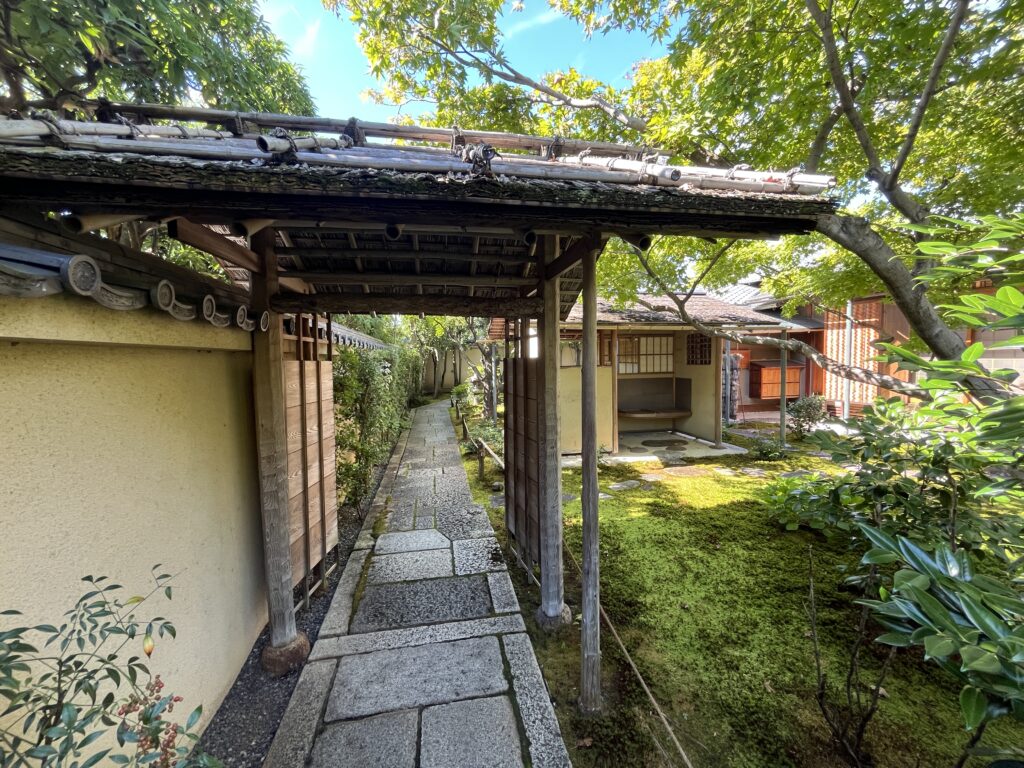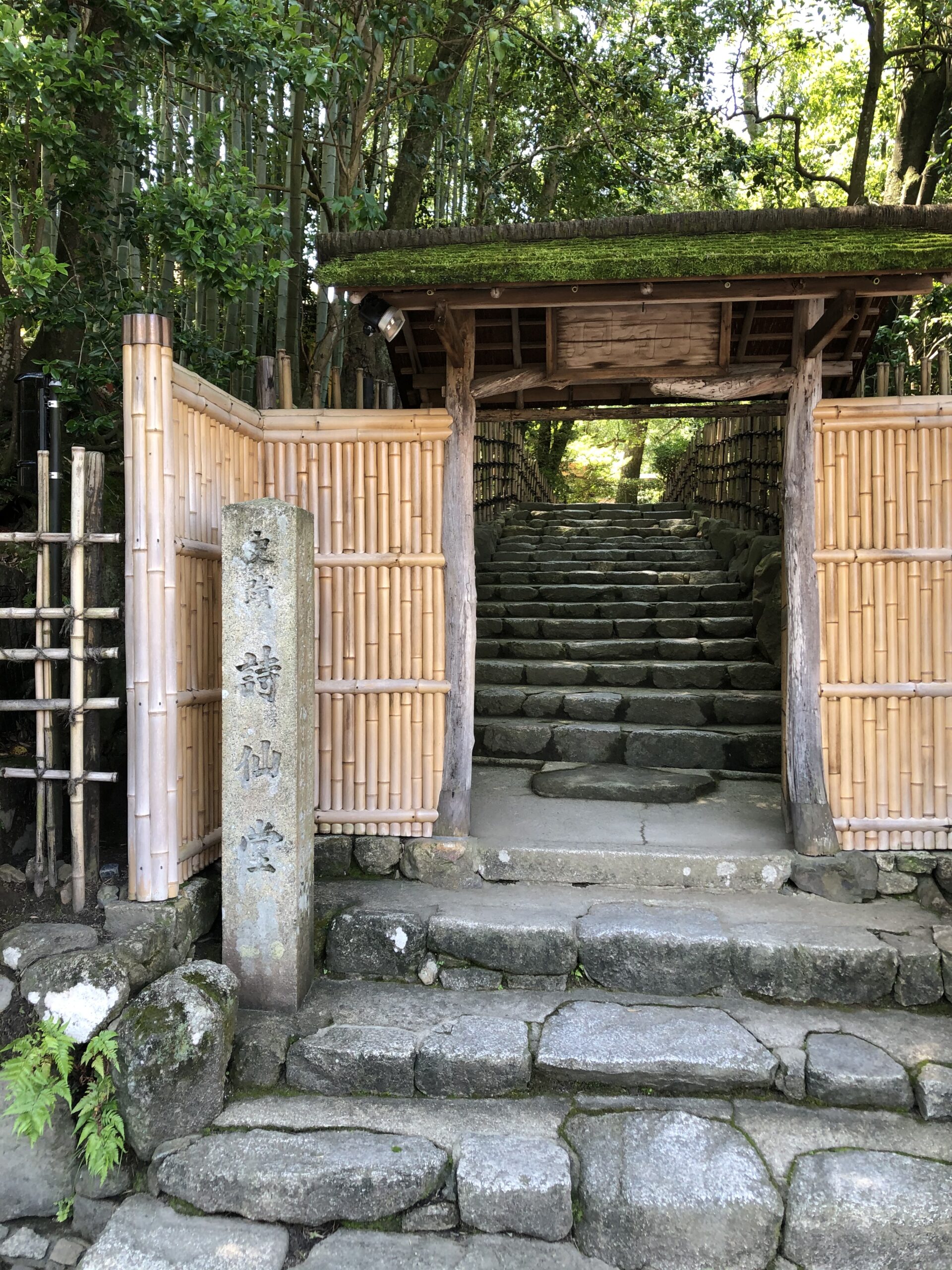
Shiramine jingu Shrine

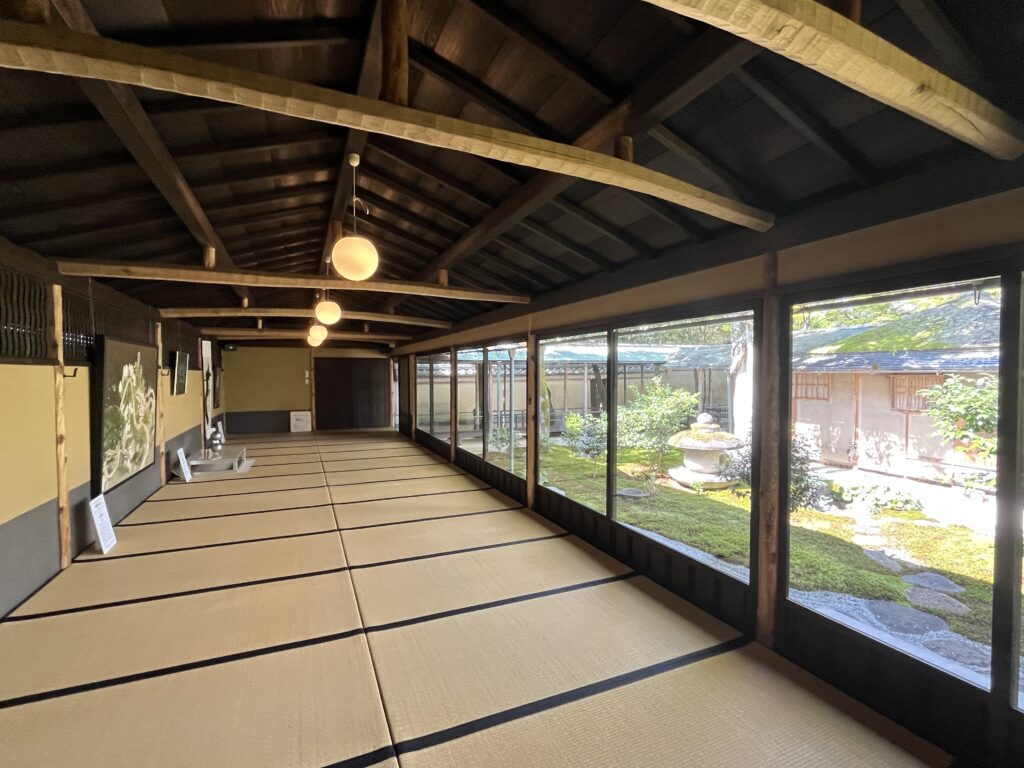
Shiramine jingu Shrine was founded in 1868 (the first year of the Meiji era) by Emperor Meiji, who had the spirit of Emperor Sutoku transferred here from the Shiramine Mausoleum in Sanuki (present-day Kagawa Prefecture). Later, in 1873, the spirit of Emperor Junnin was also transferred from the Awaji Mausoleum and enshrined alongside him.
Emperor Sutoku is a familiar figure through the *Ogura Hyakunin Isshu* (an anthology of one hundred poems by one hundred poets), while Emperor Junnin was the son of Prince Toneri, who compiled the *Nihon Shoki* (Chronicles of Japan).
Fulfilling a heartfelt wish of Emperor Meiji, the shrine was established on the former estate of the Asukai family—masters of the traditional arts of *mari* (ancient Japanese football) and *waka* poetry—to console the spirits of these two emperors, both of whom had ended their lives in exile.
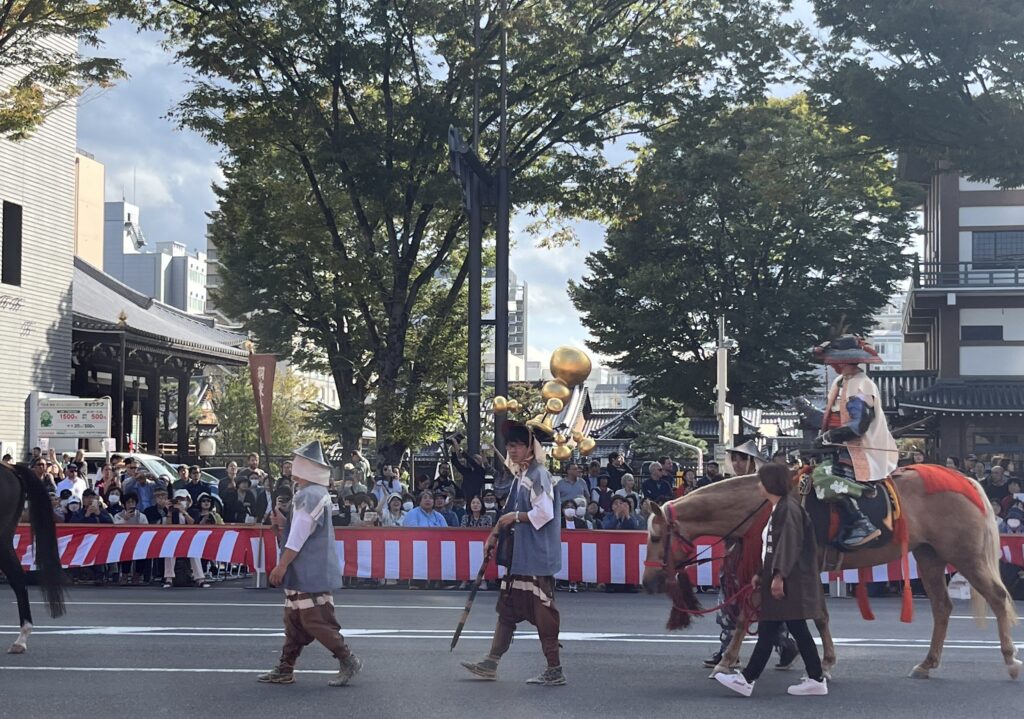
Balls used in various sports have been dedicated to the shrine, including official match balls from the France and Japan-South Korea Soccer World Cups, as well as the official volleyball used at the Athens Olympics.

Location
 

Chion-ji Temple

Chion-ji Temple, located in the Hyakumanben area of ​​Higashiyama Ward, Kyoto, is one of the seven major head temples of the Jodo (Pure Land) sect.
When an epidemic broke out, the priest Kūen quelled the disease through the “Hyakumanben Nenbutsu” (recitation of the Buddha’s name one million times), and was subsequently granted the title “Hyakumanben” by Emperor Go-Daigo.
Within the temple precincts, the Mie-dō (Founder’s Hall)—enshrining an image of the priest Hōnen—stands at the front, while the Shakadō (Main Hall) is located to the east and the Amidadō (Amida Hall) to the west.

Location
Choraku-ji Temple

Choraku-ji Temple is located in Maruyama-cho, east of Gion Yasaka Shrine in Kyoto’s Higashiyama Ward.
It is a Tendai sect temple founded in 805—following the relocation of the capital to Heian-kyo—by Saicho under the imperial decree of Emperor Kanmu; it was later converted to the Ji sect.
Kenreimon-in, a daughter of Taira no Kiyomori, is said to have taken Buddhist vows at this temple.

Location
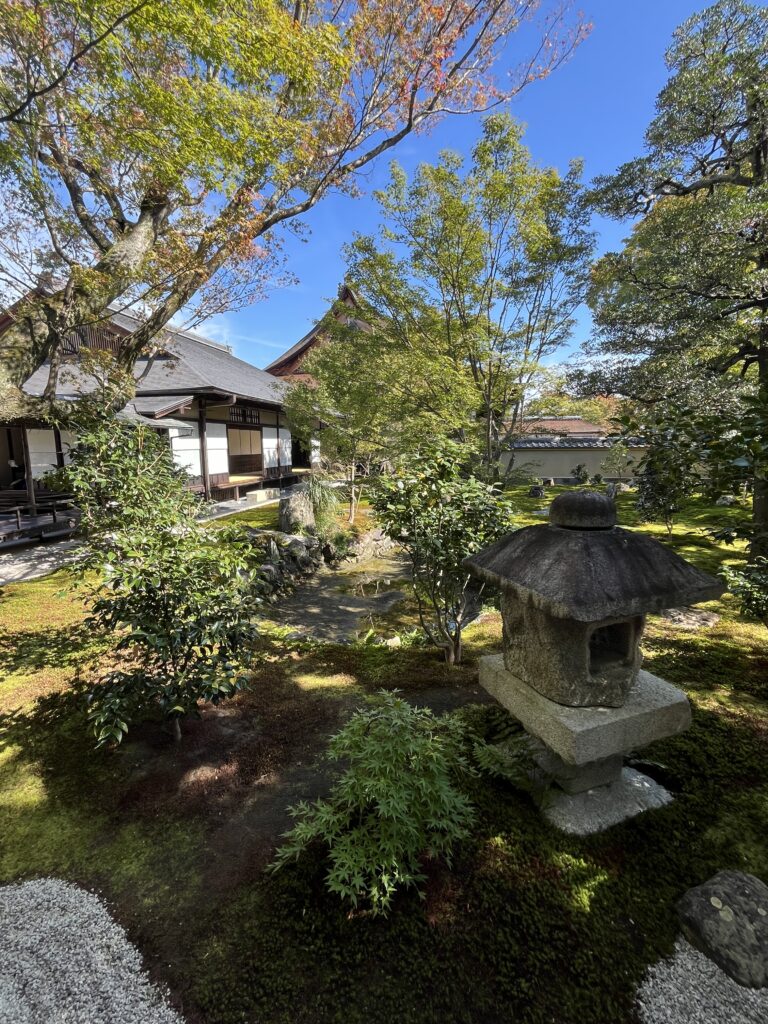
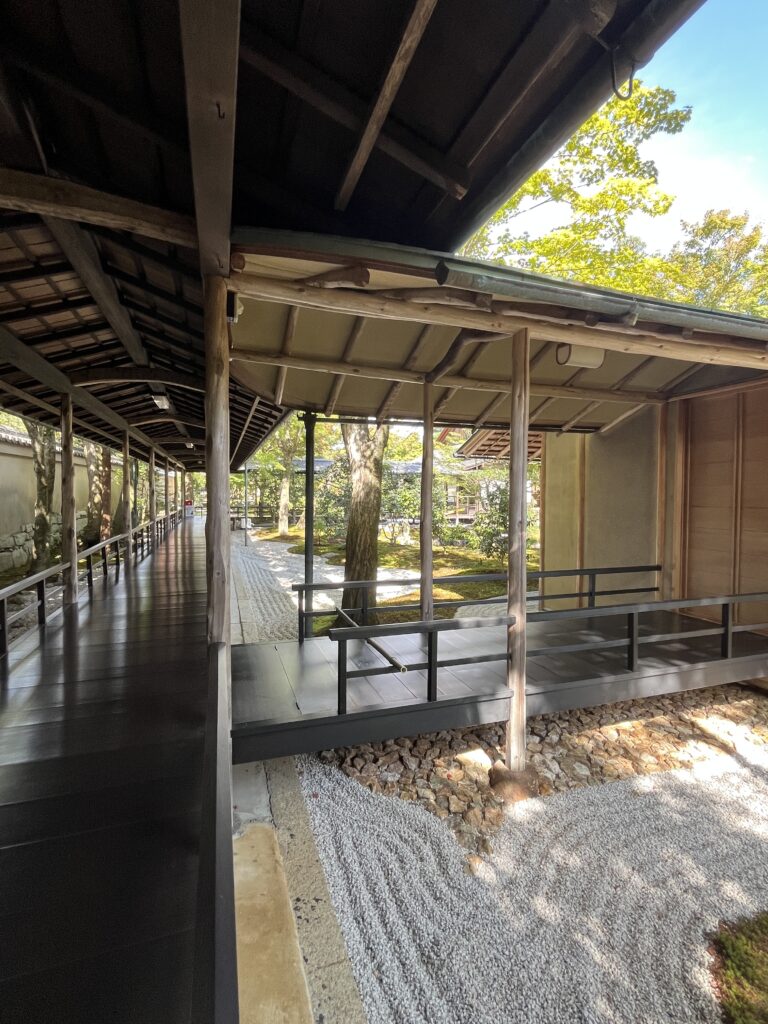
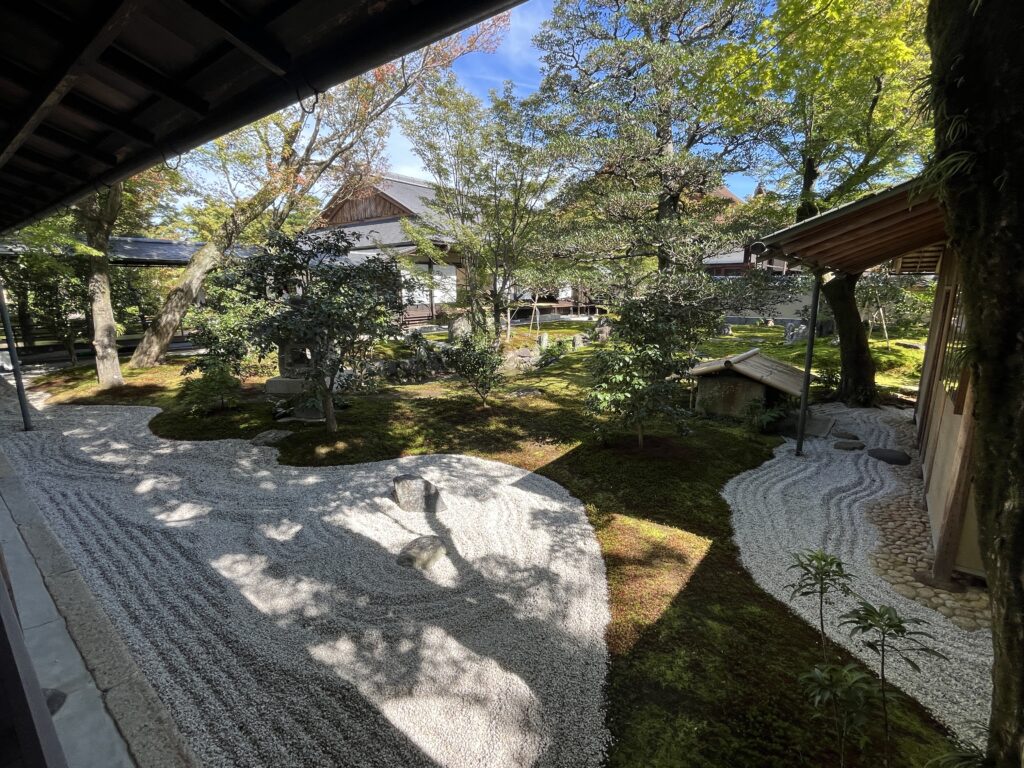
Kōrin-in Temple ( Daitoku-ji Temple)

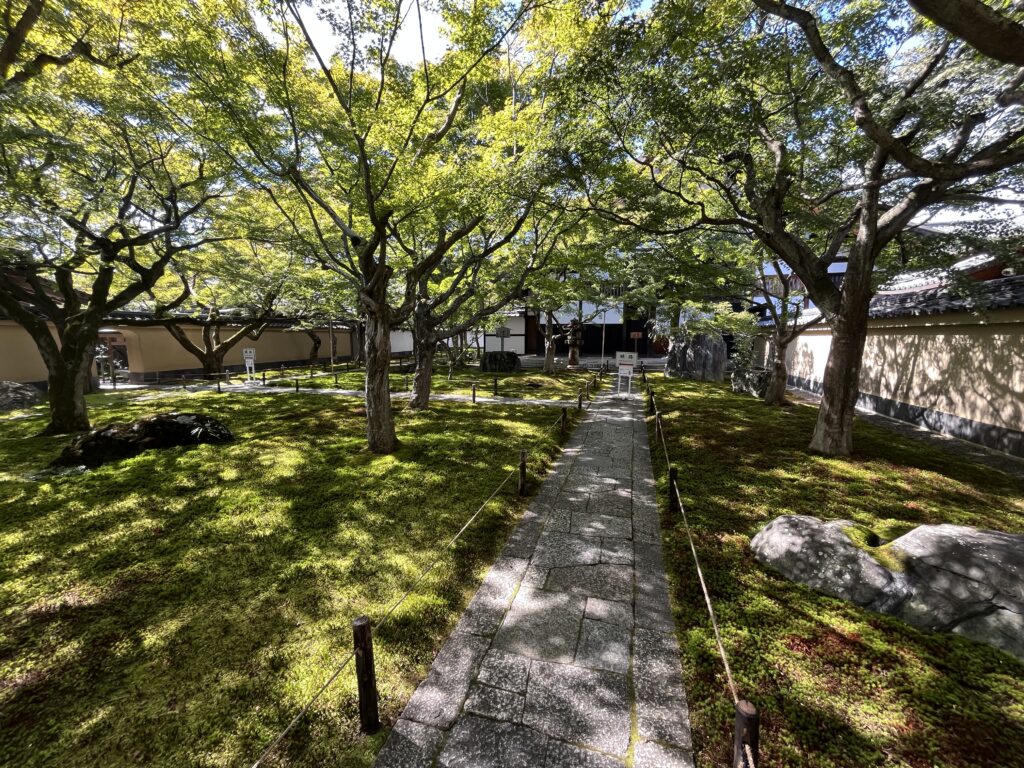
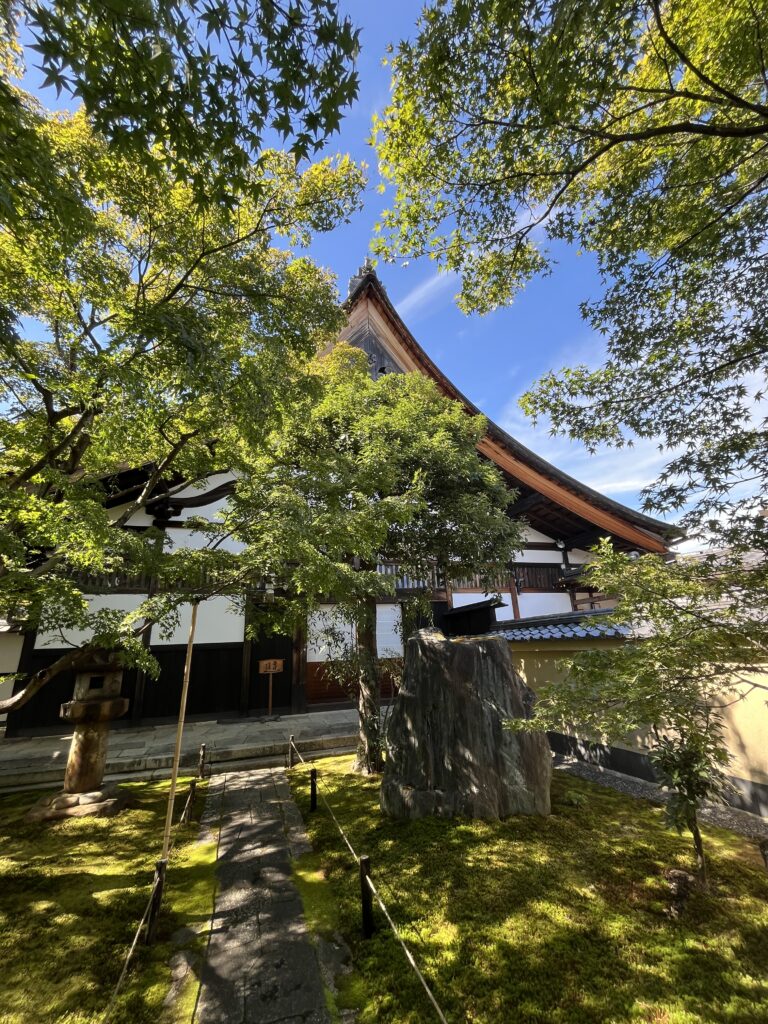
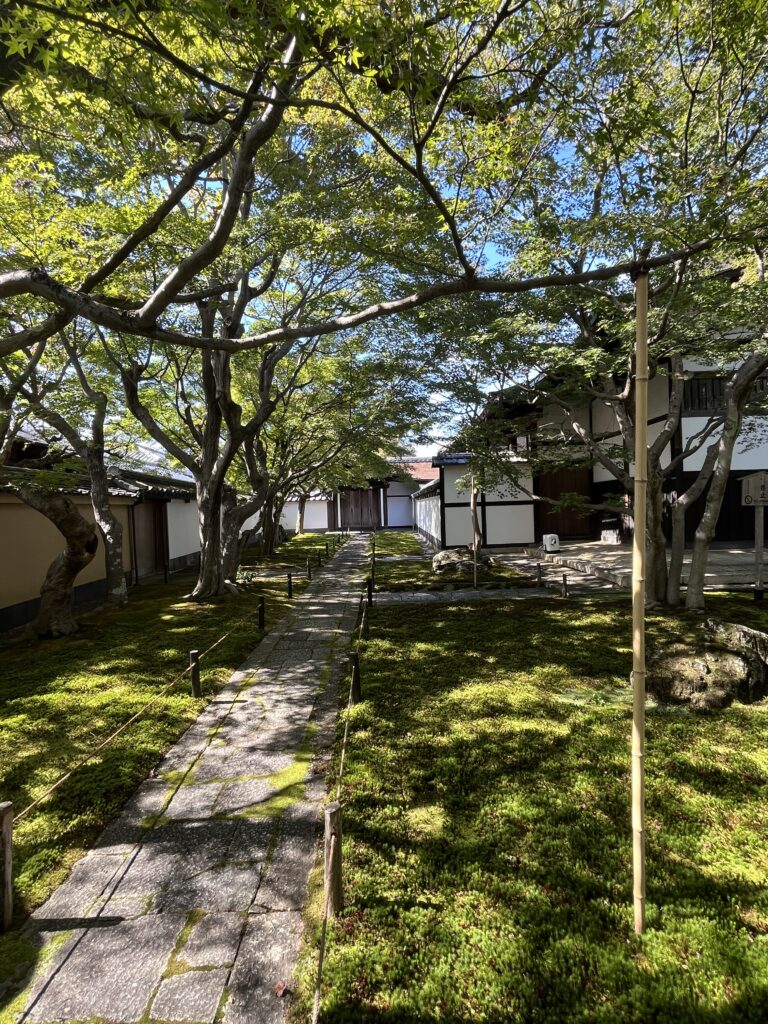
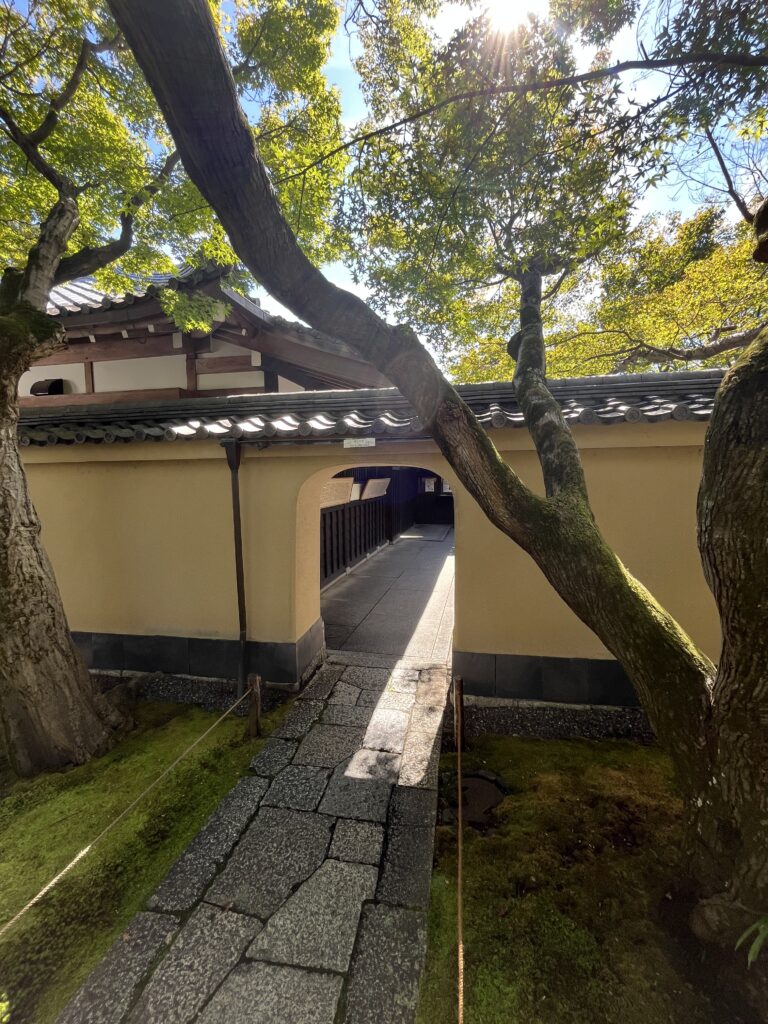
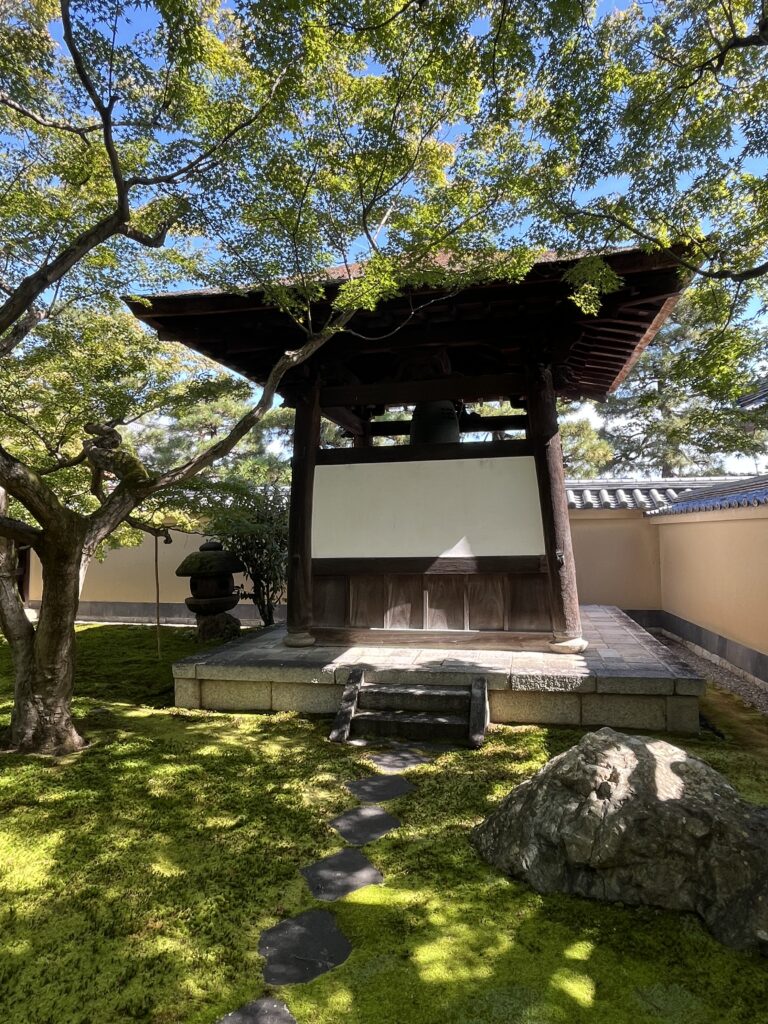
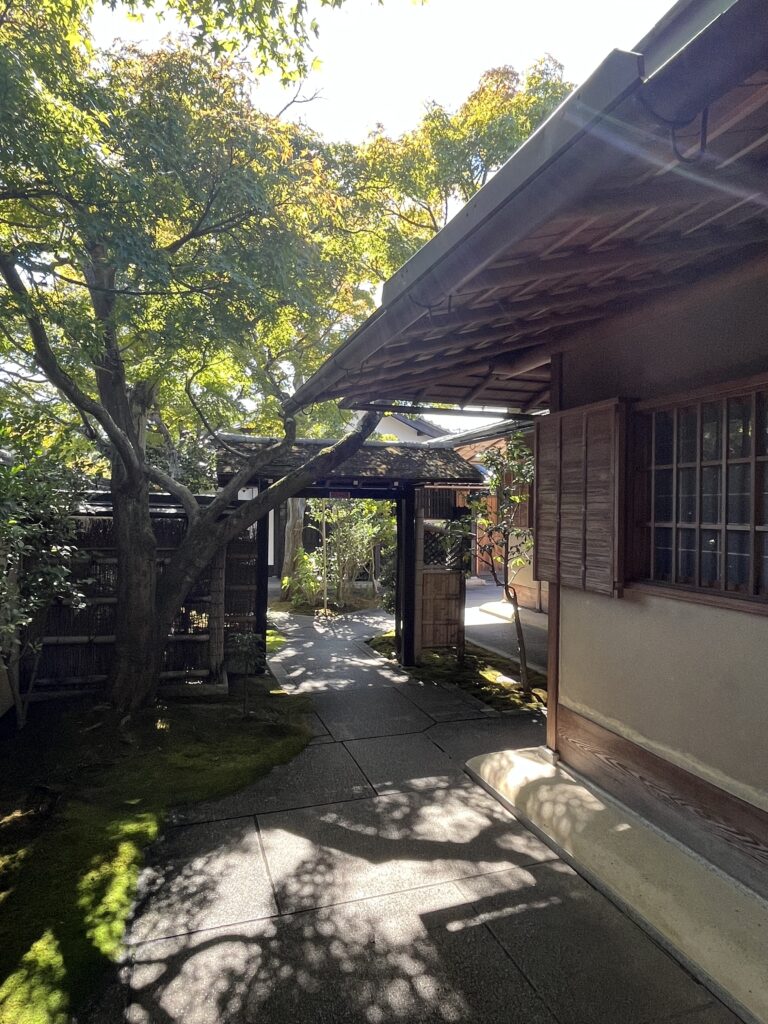
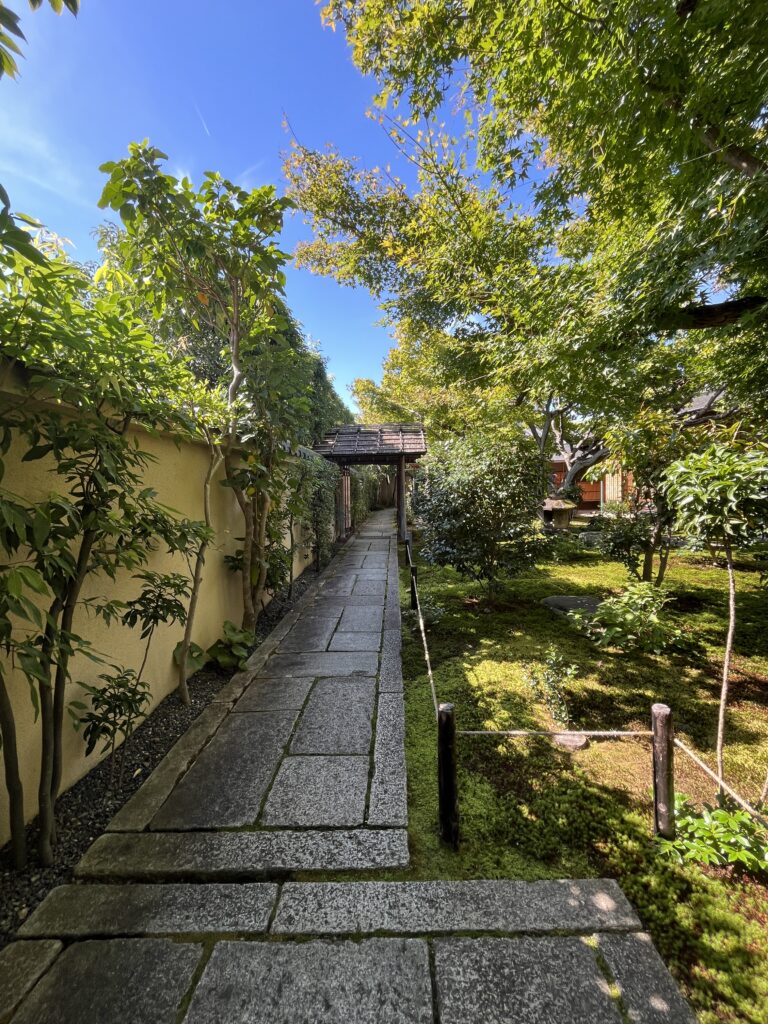
Kōrin-in is one of the sub-temples of Daitoku-ji Temple, a Rinzai Zen temple located in Kita-ku, Kyoto.
It was founded approximately 500 years ago by Hatakeyama Yoshisō,
the governor of Noto (present-day Ishikawa Prefecture),
and its name, Kōrin-in, was derived from his posthumous Buddhist name.
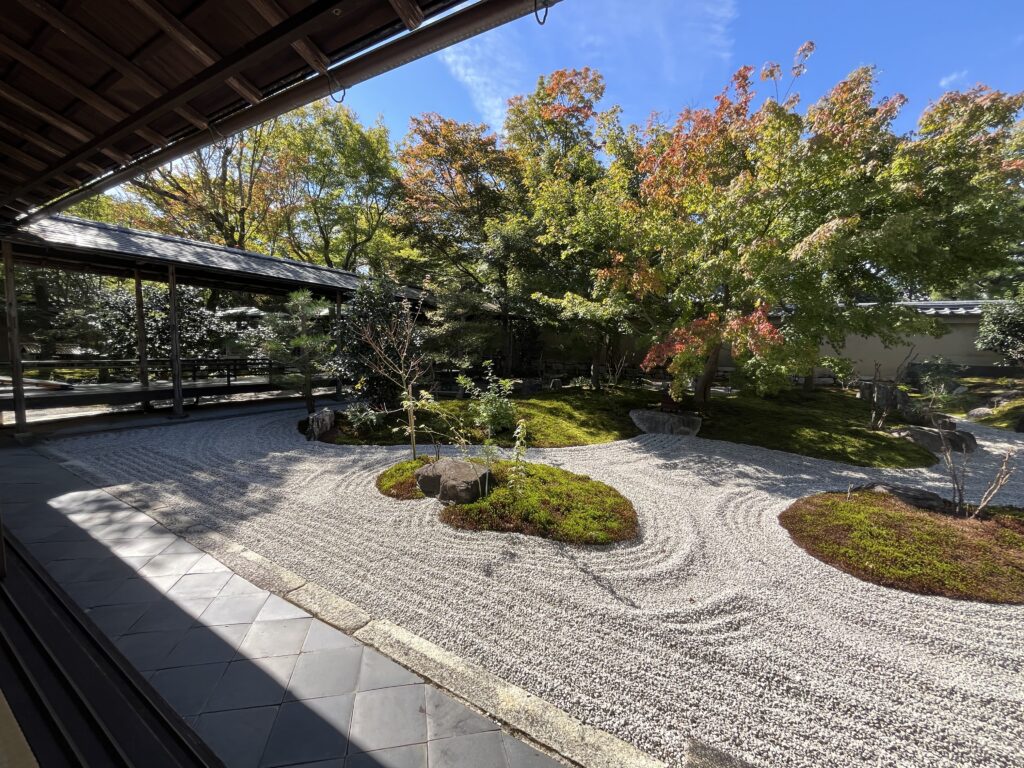
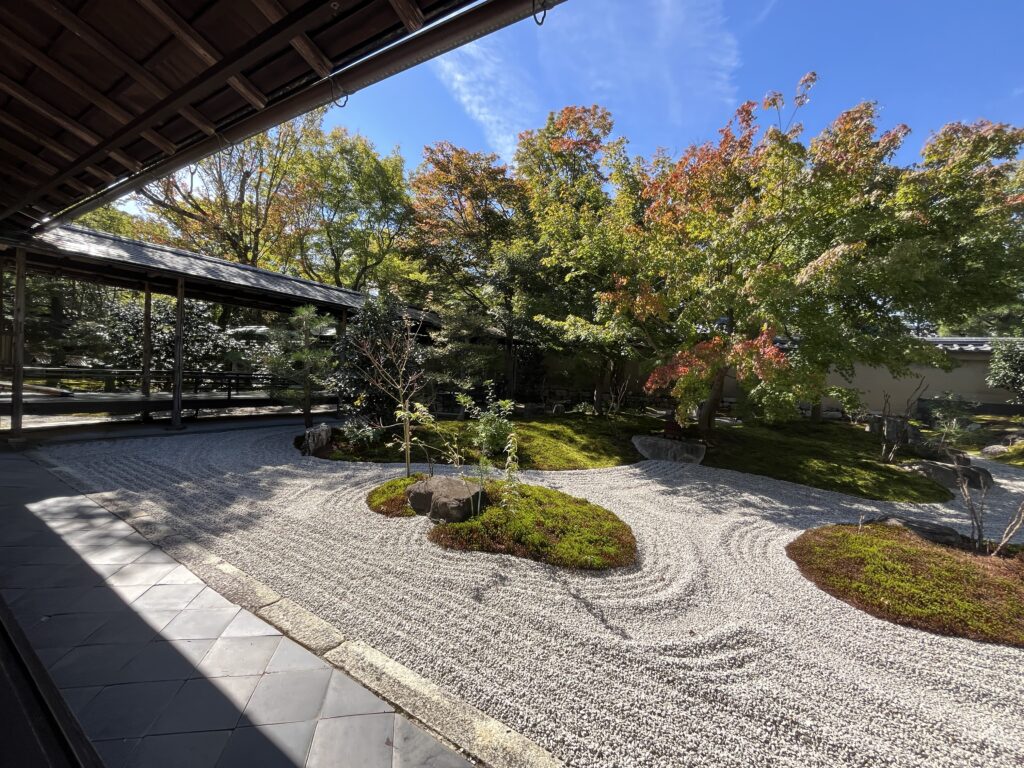
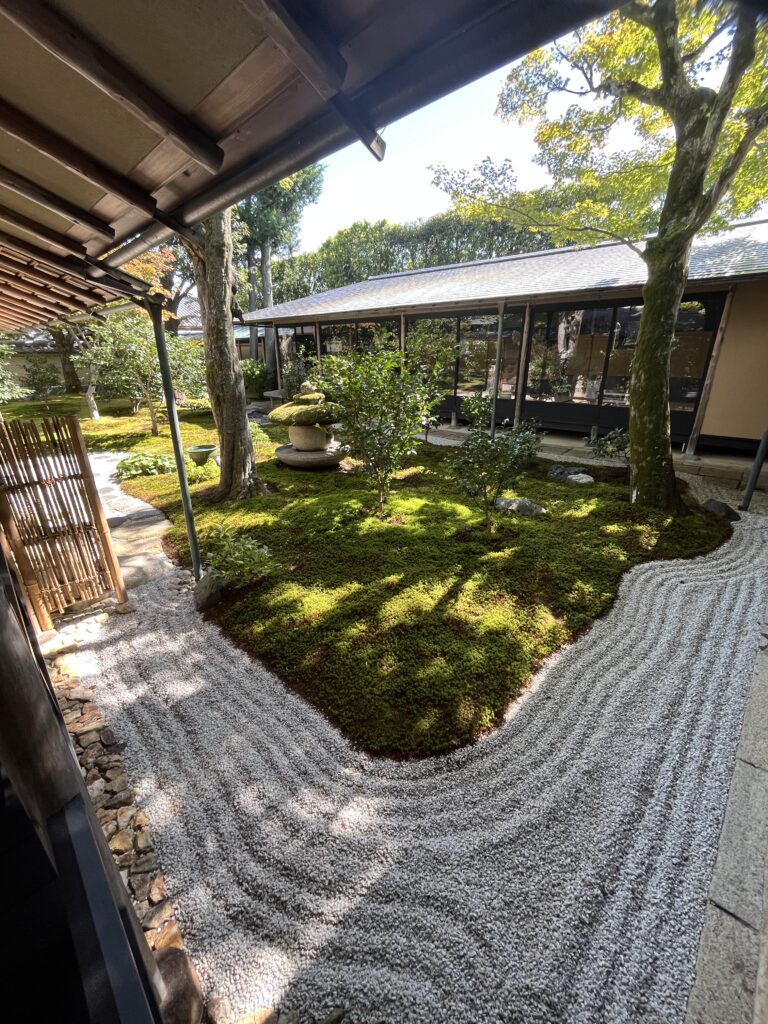
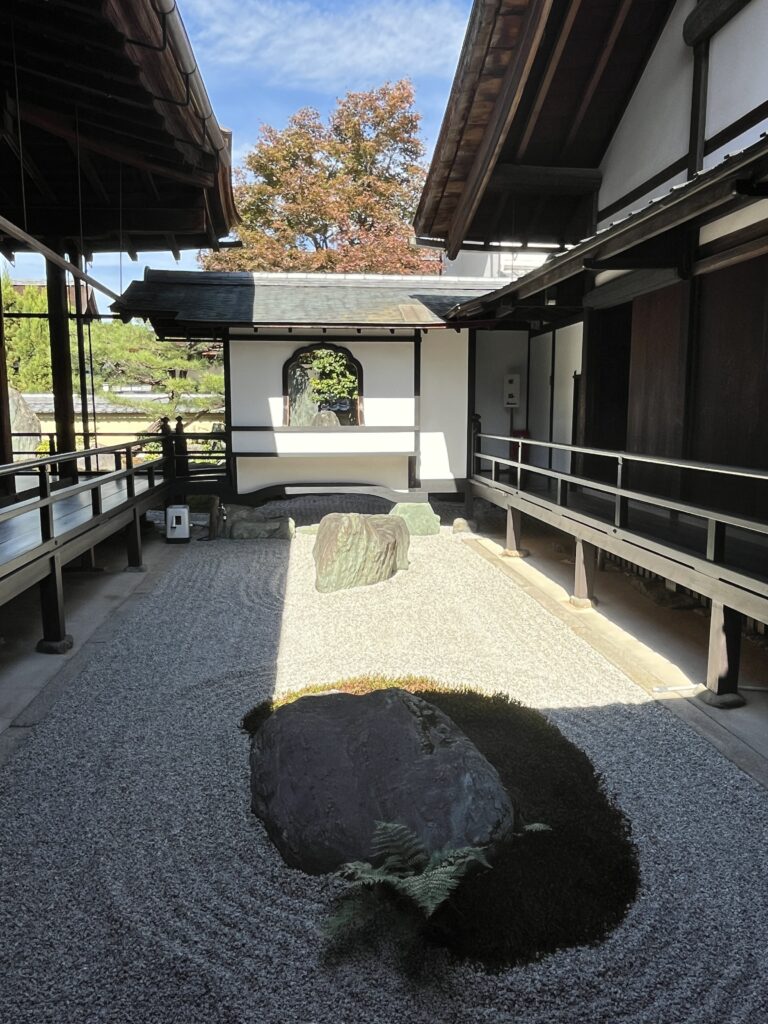
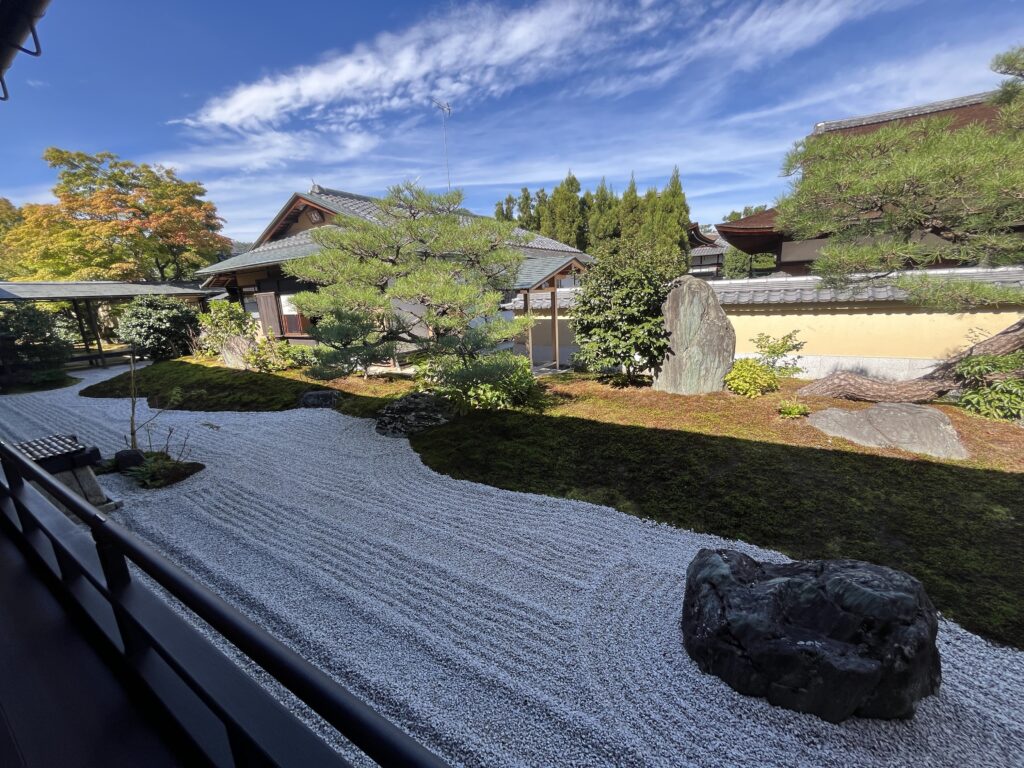
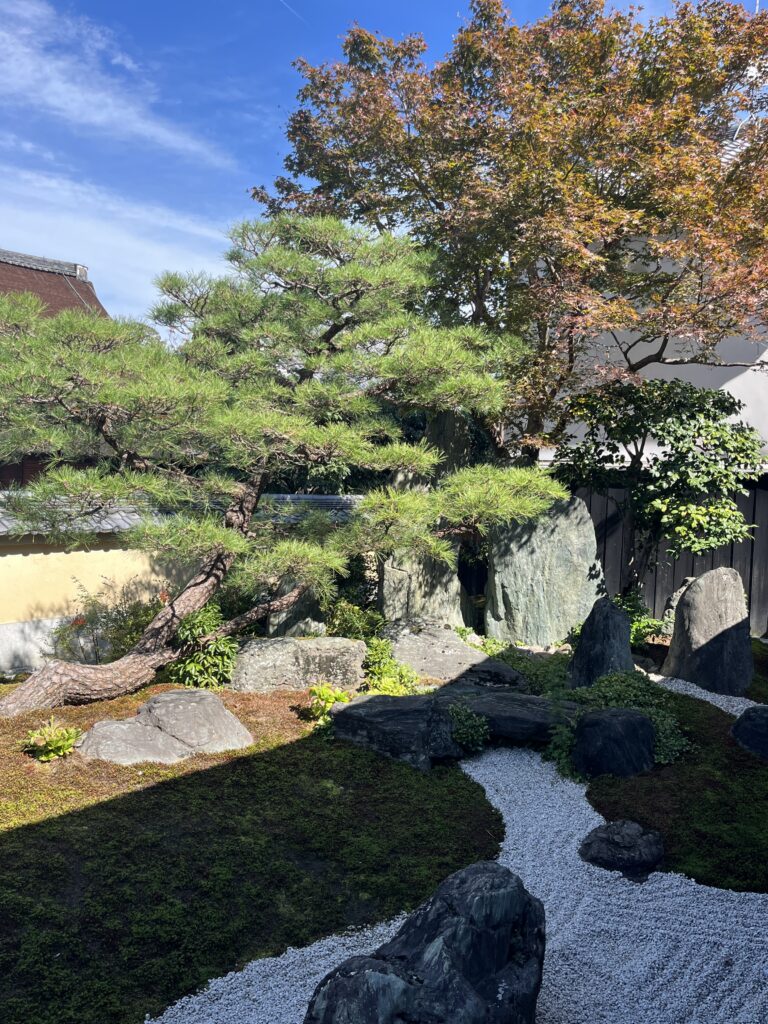
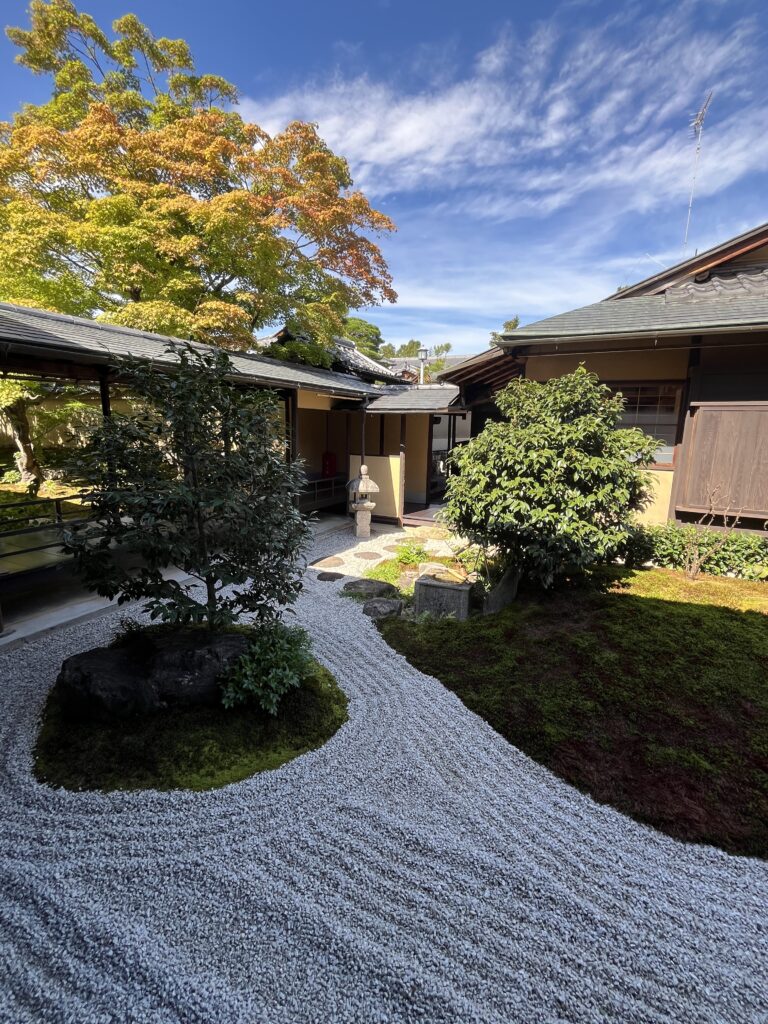
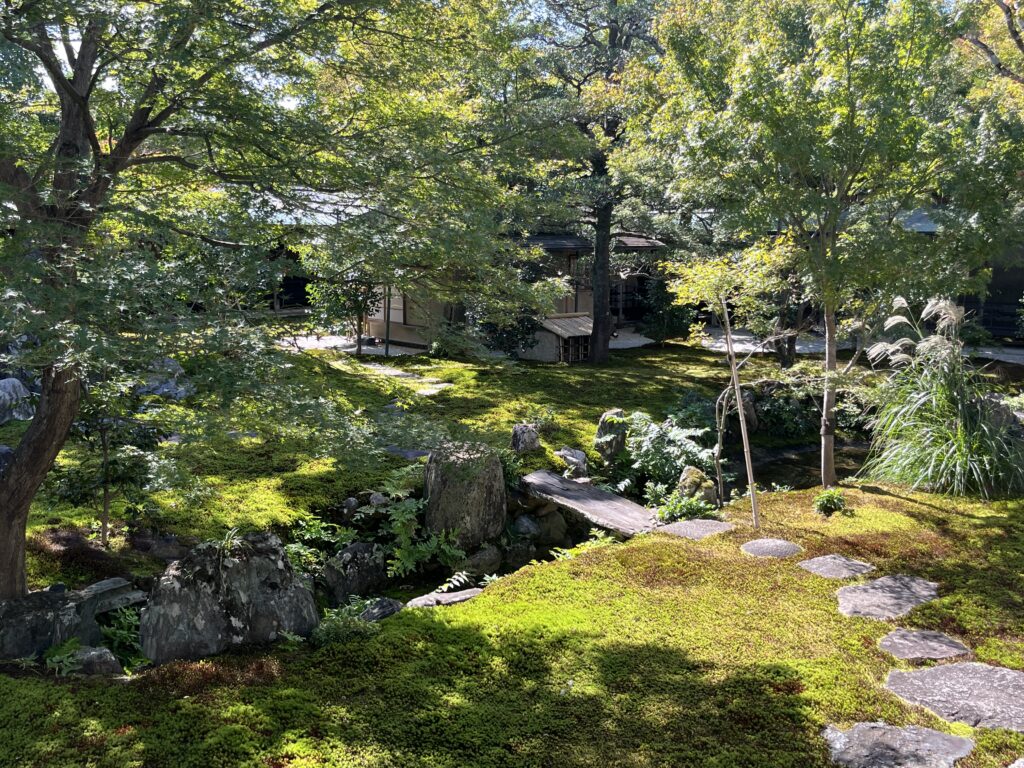
It features a magnificent Momoyama-style stone garden restored by Nakane Kinsaku,
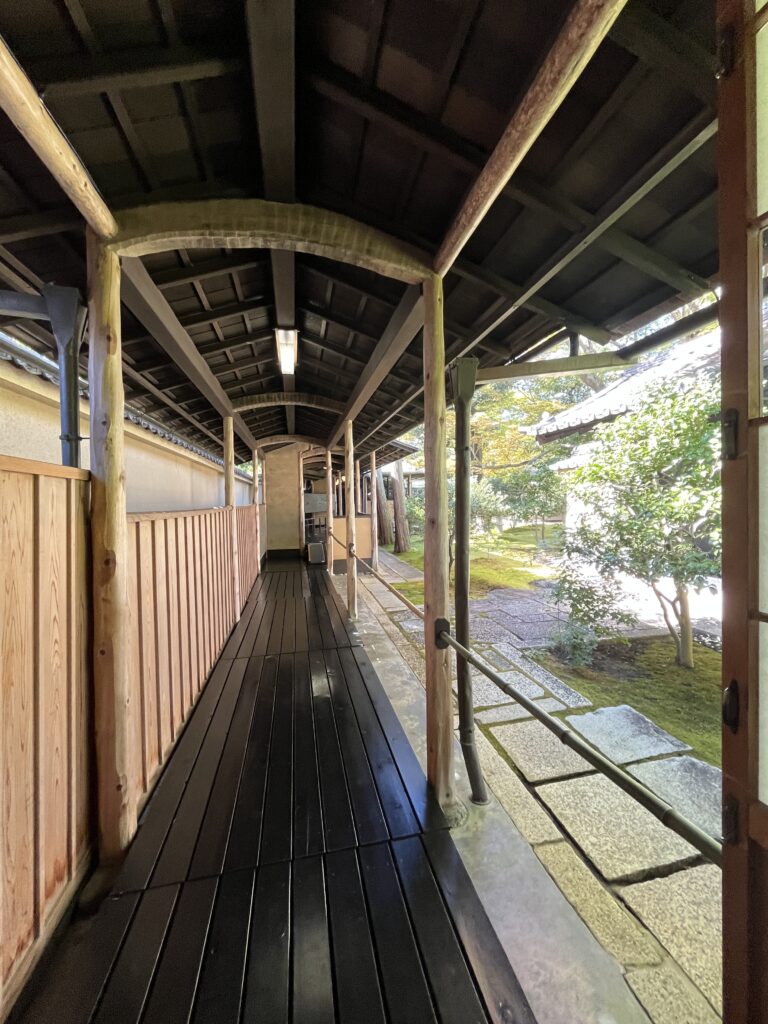
a landscape architect sometimes called the “Showa-era Kobori Enshū,” as well as the tea house “Kankyo-tei.”
Special viewings are available from September 5th to 27th and from October 3rd to December 15th, 2026.

Location
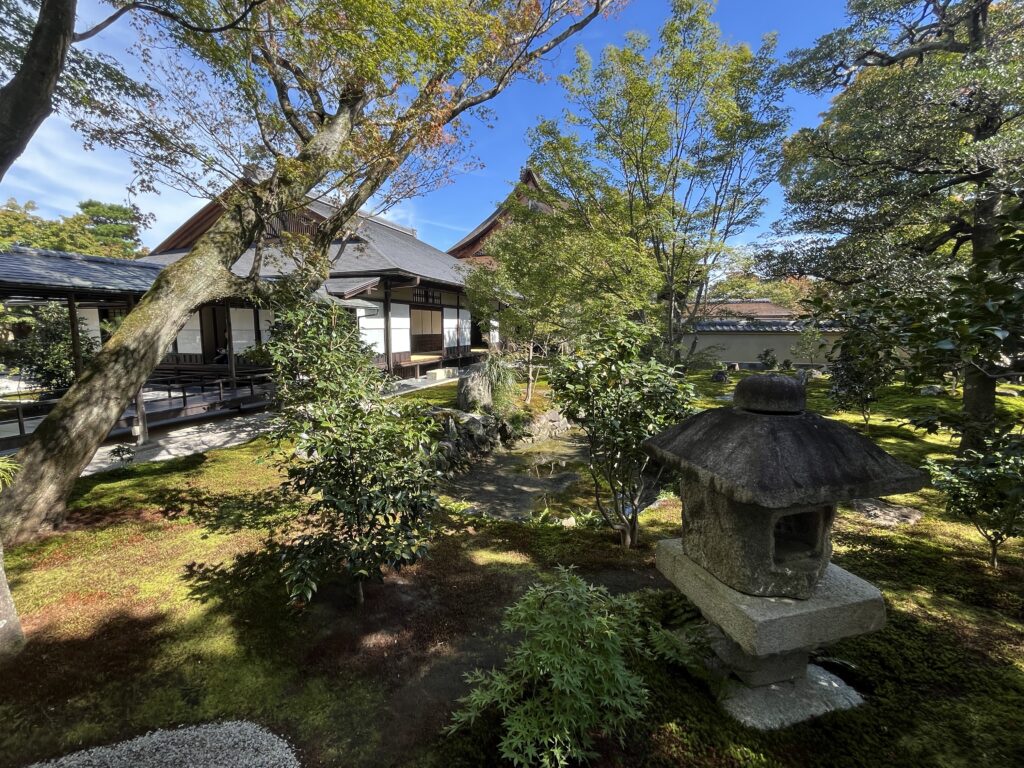
Rozan-ji Temple

Rozan-ji Temple is located on Teramachi Street in Kamigyo Ward, Kyoto City, east of the Kyoto Imperial Palace.
It is said to be the site of Murasaki Shikibu’s residence and where “The Tale of Genji” was written.
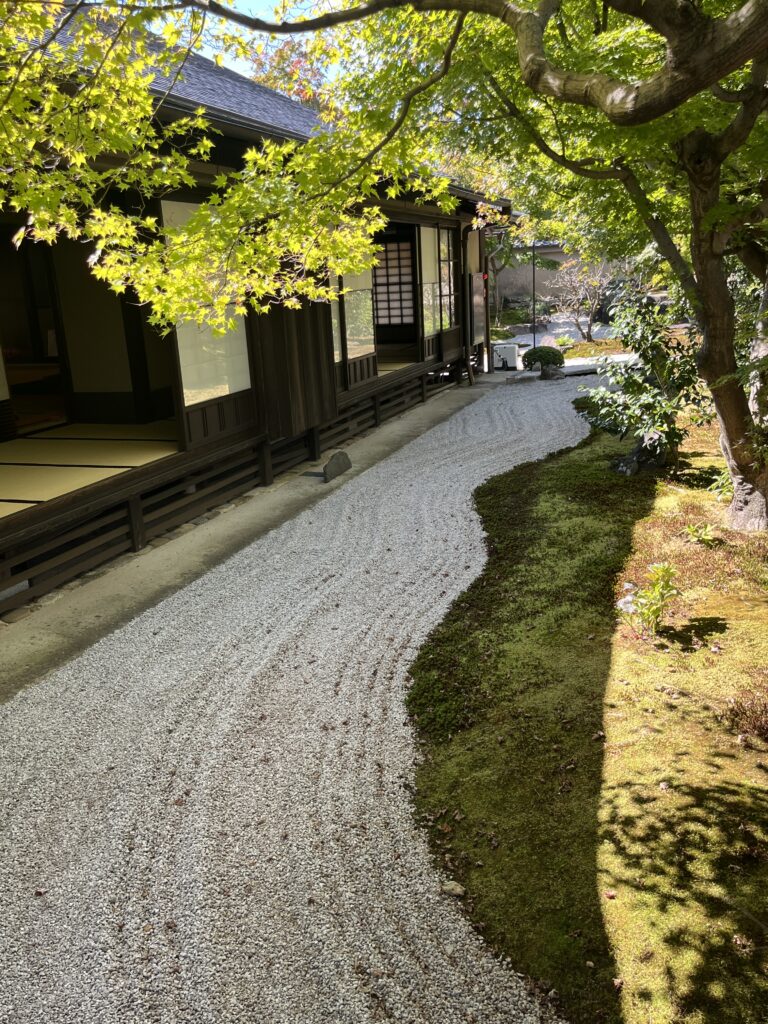
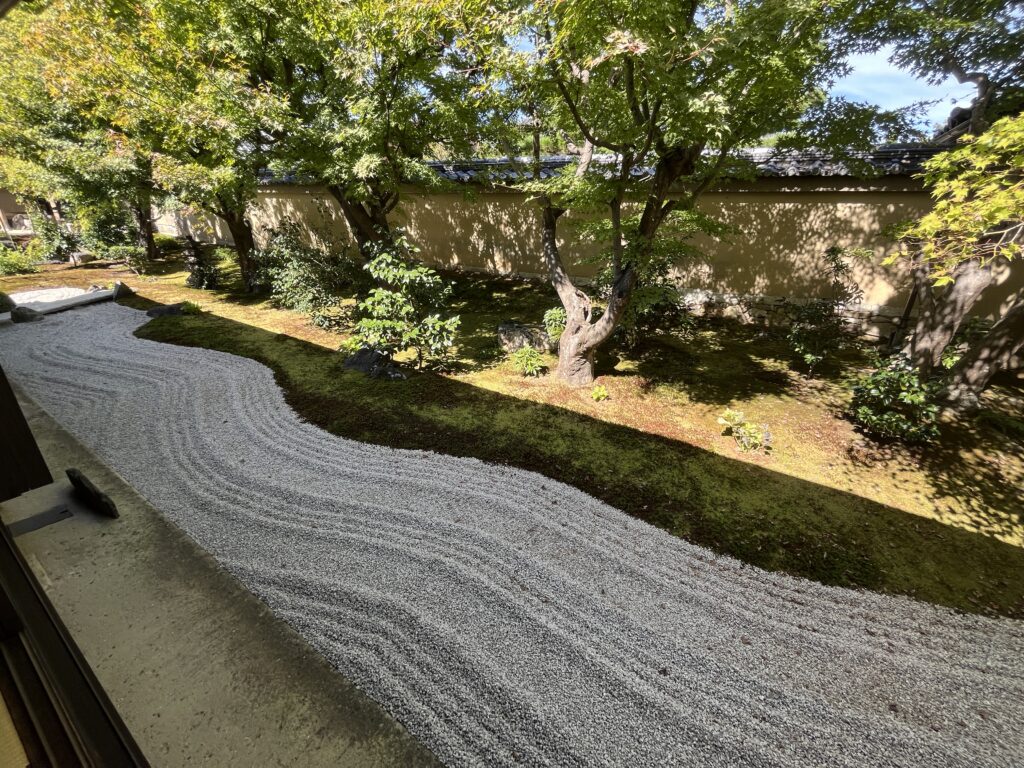
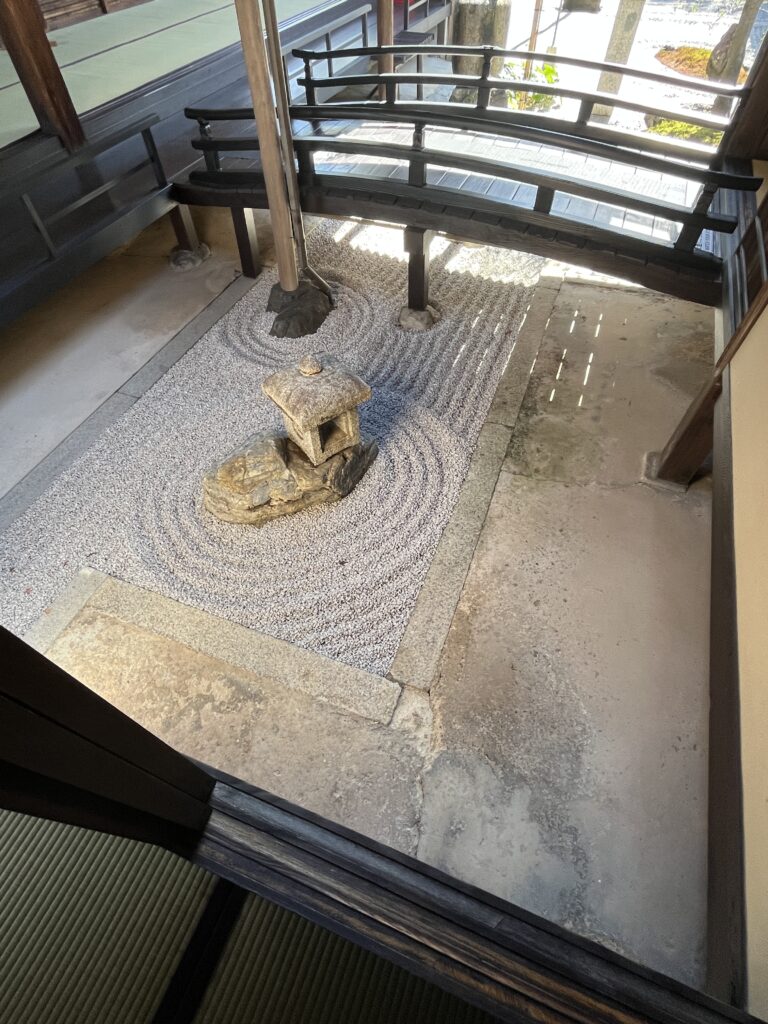
The garden of the main hall is called “Genji’s Garden,” a beautiful dry landscape garden with a vivid contrast of white sand and moss.
From the beginning of June to the beginning of September, the bellflowers are in full bloom.
A stone monument marking the “site of Murasaki Shikibu’s residence” stands here.
It is one of the places where you can appreciate the tranquility of Kyoto.

Location